

Why Do We Put Off Important Tasks? 10 Psychological Reasons and Ways to Overcome Them
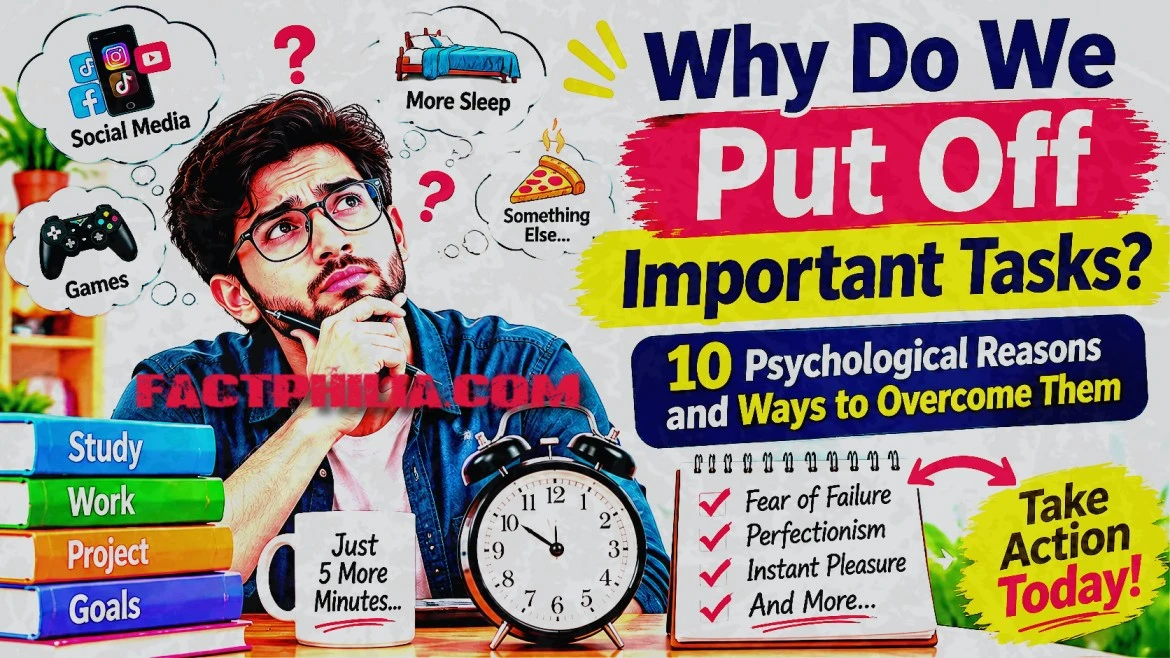
Have you ever delayed an important task even when you knew it needed to be done? Maybe you kept putting off studying for an exam, writing an office report, filling out an important form, or applying for a job. If this sounds familiar, you may have wondered why do we put off important tasks even when we understand their importance. This common behavior is known as procrastination, and it often has deeper psychological reasons than simply being lazy.
We often call this laziness, but procrastination is not always about being lazy. Sometimes, we delay tasks because they make us feel worried, bored, overwhelmed, stressed, or afraid of failure.
Understanding why we procrastinate can help us deal with it more effectively. In this article, we will explore 10 psychological reasons behind procrastination and practical ways to overcome it.
What Is Procrastination?
Procrastination means delaying a task that you intend to do, even when you know that putting it off may create problems later.
For example, you may plan to study in the evening but spend hours scrolling through social media instead. You may know that a report is due tomorrow, yet keep finding other things to do.
Procrastination is often connected to how we manage uncomfortable feelings. When exploring why do we put off important tasks, one common reason is that we want to avoid emotions such as anxiety, boredom, or uncertainty. Instead of facing a task that makes us feel uncomfortable, we choose something easier or more enjoyable in the moment. This may provide temporary relief, but it can make the task even harder to complete later.
Part 1: 10 Psychological Reasons Why We Procrastinate
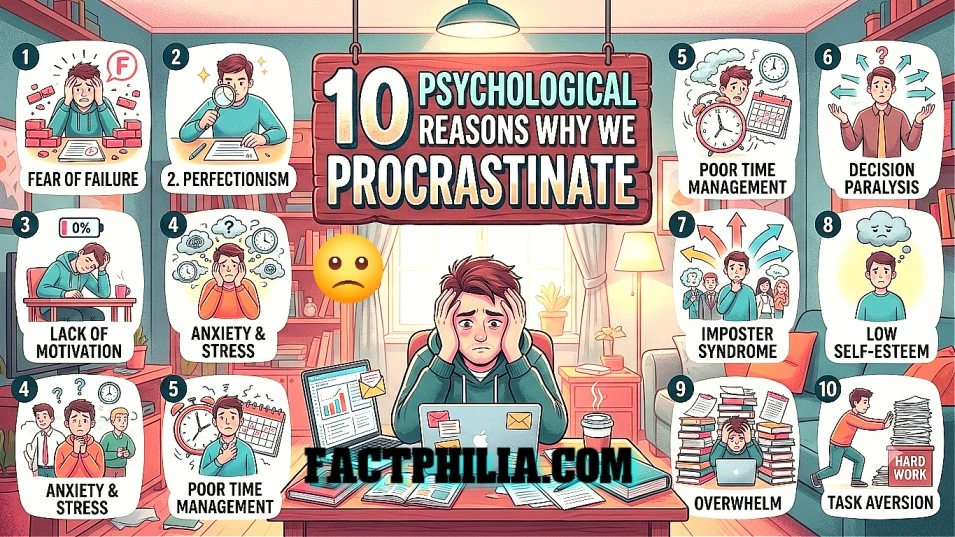
1. Fear of Failure
One common reason why do we put off important tasks is the fear of failing. When a task feels important, we may worry that our efforts will not be good enough or that we might make mistakes. This fear can make it difficult to get started, even when we know the task needs to be completed.
For example, someone who wants to apply for a job may keep delaying their application because they are afraid of being rejected. By not applying, they temporarily avoid the possibility of failure.
But delaying the task does not remove the fear. It only reduces the time available to complete it.
2. The Desire to Make Everything Perfect
Perfectionism can also lead to procrastination. Some people feel that they must complete a task perfectly, so they spend too much time preparing and very little time actually doing it.
For example, a blogger may spend hours choosing the perfect title, image, font, and design for an article but keep postponing the writing itself.
When we expect everything to be perfect, even starting can feel difficult. Sometimes, completing a good task is more useful than endlessly trying to make it perfect.
3. The Attraction of Immediate Pleasure
Our brains often prefer immediate rewards over benefits that will come later. This tendency is sometimes called present bias.
For example, studying may help you in the future, but watching Instagram Reels gives you enjoyment right now. As a result, you may choose entertainment over studying, even when you know the exam is approaching.
The immediate reward feels more attractive, while the future benefit seems distant.
4. The Task Feels Too Big or Difficult
When a task seems too large or complicated, we may feel overwhelmed and avoid starting it.
Imagine a student who has five subjects to prepare for an exam. Thinking about studying everything at once may feel stressful, so the student keeps postponing the work.
Breaking a large task into smaller parts can make it feel more manageable.
5. Negative Feelings Connected to the Task
Sometimes, we delay a task because it brings up uncomfortable emotions such as worry, frustration, embarrassment, or uncertainty.
For example, an employee may avoid replying to an email from their manager because they are worried about the response or do not know what to say.
In such situations, procrastination may provide temporary emotional relief, but the task remains unfinished.
6. Waiting for Motivation
Many people believe they need to feel motivated before they can begin a task. They keep waiting for the right mood or the perfect moment.
For example, someone may plan to go for a morning walk but keep postponing it because they do not feel energetic when they wake up.
In reality, motivation does not always come before action. Sometimes, taking the first small step helps motivation develop.
7. Decision Fatigue
Making too many decisions throughout the day can leave us mentally tired. This is often described as decision fatigue.
For example, after attending meetings, answering questions, and making decisions at work, a person may find it difficult to begin another important task in the evening.
When mental energy is low, even simple tasks can feel harder to start.
8. Low Self-Efficacy
Self-efficacy refers to how strongly we believe that we can successfully complete a task.
If someone believes they are not capable of doing something, they may avoid it altogether.
For example, a student who believes they are bad at Maths may keep postponing Maths practice because they expect to struggle or make mistakes.
Starting with a small, achievable step can help build confidence over time.
9. Lack of a Clear Plan
Sometimes, procrastination happens because we have a goal but do not know exactly how to begin.
For example, saying “I want to improve my English” is a broad goal. Without a clear plan, it may be difficult to decide what to do each day.
A more specific plan, such as “I will read one page and learn five new words every evening,” makes the next action clearer.
10. Lack of Sleep and Tiredness
Our physical condition can affect our ability to focus and begin tasks. When we are tired or have not slept well, even ordinary work may feel difficult.
For example, a student who stays up late using their phone may feel sleepy the next day and keep postponing studying.
Getting enough rest and choosing a suitable time for demanding tasks can make it easier to get started. When considering why do we put off important tasks, tiredness and low energy can be contributing factors. By prioritizing sleep and working on challenging tasks when we feel more alert, we can reduce procrastination and make it easier to take the first step.
Part 2: 7 Practical Ways to Overcome Procrastination
1. Make the Task Small Enough to Start
When exploring why do we put off important tasks, one common reason is that a task feels too difficult or overwhelming. Instead of trying to complete everything at once, reduce it to a small first step. Starting with one manageable action can make the task feel less intimidating and help you build momentum.
Instead of telling yourself, “I have to study the whole chapter,” try saying, “I will read just one page.”
The goal is not to finish everything immediately. The goal is to make starting feel easier.
2. Use the Two-Minute Rule
If a task can be completed in about two minutes, try doing it immediately instead of postponing it.
For larger tasks, use two minutes as a starting point. You might open your book, write the first sentence of a report, or organize the materials you need.
A small beginning can help you move from thinking about the task to actually doing it.
3. Start Within Five Seconds
When you notice that you are delaying a task, try counting down from five and then take one small action.
For example, count “5, 4, 3, 2, 1” and open your notebook or begin writing the first line.
This is not a magical solution or a scientifically proven treatment for procrastination. It can simply act as a cue to interrupt hesitation and help you begin.
4. Break the Task into Smaller Steps
Large tasks become easier to manage when they are divided into clear steps.
For example, instead of writing “Prepare for the exam” on your to-do list, break it down into:
- Choose one subject.
- Read one topic.
- Make short notes.
- Answer a few practice questions.
- Review what you learned.
When the next step is clear, you spend less time wondering where to begin.
5. Remove Distractions
Distractions can make it easier to avoid important work. If your phone is nearby, you may find yourself checking messages or scrolling through social media.
Try keeping your phone away from your workspace, turning off unnecessary notifications, and closing unrelated tabs.
Creating a simple environment for focused work can reduce the temptation to delay.
6. Use Time Blocking
Time blocking means assigning a specific period of time to a particular task.
For example, you might plan to study from 7:00 PM to 7:30 PM, take a short break, and then continue if needed.
Instead of waiting for free time to appear, you give the task a place in your day.
7. Forgive Yourself and Start Again
If you have already delayed a task, try not to spend more time blaming yourself. Understanding **Why Do We Put Off Important Tasks** can help you recognize the emotional reasons behind procrastination and respond with self-compassion. Instead of focusing on lost time, take one small step toward completing the task and begin again.
Feeling guilty can sometimes make the task seem even more difficult. Instead, acknowledge that you postponed it and choose one small action you can take now.
You do not need to fix the entire day. You can simply begin again with the next step.
Part 3: When Does Procrastination Become a Serious Problem?
Occasional procrastination is common. However, it may be worth paying closer attention when it repeatedly affects your daily life.
Some signs to notice include:
- Frequently missing important deadlines.
- Having trouble completing work, studies, or daily responsibilities.
- Feeling intense stress or guilt because tasks remain unfinished.
- Repeatedly trying to change but finding it very difficult to begin.
- Experiencing problems in relationships or at work because of delays.
If procrastination is seriously affecting your daily functioning, it is important to understand why do we put off important tasks and what may be making them difficult to complete. Consider speaking with a qualified mental health professional who can help you explore the underlying factors and discuss appropriate support. Seeking help can be a positive step toward managing procrastination and improving your daily life.
Conclusion
Procrastination is not always simply a matter of laziness. Understanding why do we put off important tasks can reveal that it is often connected to fear of failure, perfectionism, stress, low confidence, tiredness, or the desire for immediate pleasure. Recognizing these underlying reasons can help us choose practical strategies to manage procrastination and take action more consistently.
The good news is that you do not have to wait until you feel completely motivated to begin. You can make the task smaller, remove distractions, create a clear plan, and take one manageable step.
Instead of asking yourself, “How will I finish this entire task?” try asking:
“What can I do in just two minutes to start this task right now?”
Sometimes, the hardest part is not completing the task. It is simply beginning.



Leave a Reply